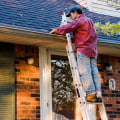
Homeowners often underestimate the financial impact of neglecting roofmaintenance. Regular inspections and minor repairs prevent costlystructural damage that typically develops unnoticed. Industry data shows reactive repairs cost 3-5 times more than preventive maintenance, while premature roof replacements can exceed $15,000. Beyond immediatesavings, maintained roofs contribute to energy efficiency and increasedproperty values. The following analysis demonstrates why proactive roofcare represents one of the wisest investments for property owners.
The Hidden Costs of Neglecting Your Roof
While many homeowners focus on interior maintenance, neglecting theroof often leads to significant hidden expenses that compound over time. Structural deterioration accelerates when minor issues remainunaddressed, resulting in extensive repairs that far exceed routinemaintenance costs.
Beyond immediate structural concerns, neglected roofs generatecascading financial implications including increased energy consumption, higher utility bills, and potential insurance claim denials. Commercial properties face additional revenue losses from inventory damage andoperational disruptions during emergency repairs.
Environmental impacts further elevate costs through decreased energyefficiency and potential mold remediation expenses. The financialequation becomes even more unfavorable when considering propertydevaluation—prospective buyers typically discount purchase offers bymore than the repair costs would have been, effectively multiplying thefinancial impact of deferred maintenance.
Proactive vs. Reactive Maintenance: A Cost Comparison
When comparing roof maintenance strategies, the financial contrastbetween proactive and reactive approaches reveals a compelling case forpreventive care. Regular scheduled inspections at $0.14 per square footconsistently outperform reactive repairs costing $0.25 per squarefoot—translating to 43% annual savings.
- Cost Efficiency - Proactive maintenance enablesplanned, budgeted repairs while reactive approaches result in emergencyservices with premium pricing and unpredictable expenses.
- Lifespan Extension - Preventive care extends roof longevity by 3-5 years, delaying replacement costs and maximizing investment return.
- Operational Continuity - Scheduled maintenanceminimizes business disruptions while reactive repairs often forceunplanned operational pauses and potential interior damage.
Documentation from regular inspections also supports compliancerequirements and facilitates long-term capital planning with predictable maintenance expenditures.
Extending Your Roof's Lifespan: The Financial Impact
The financial benefits of extending a roof's service life representone of the most compelling arguments for regular maintenance programs.Proactive maintenance can extend a roof's lifespan from 13 to 21 years,generating approximately $11,274 in annual savings. Over the fullservice period, this translates to potential savings of $236,750 for a25,000-square-foot roof.
The investment required is minimal—typically 3-6¢ per square footannually for preventative maintenance—compared to reactive repairscosting $4-$10 per square foot. Energy efficiency improvements furtherenhance the financial equation, with well-maintained roofs reducingheating and cooling costs by up to 15%. This efficiency simultaneouslyextends HVAC system longevity. For property portfolios, these benefitscompound markedly, potentially saving hundreds of thousands of dollarsover extended periods.
How Regular Inspections Prevent Major Expenses
Regular inspections serve as the cornerstone of cost-effective roofmanagement by identifying potential problems before they escalate intomajor financial burdens. These scheduled assessments deliver measurableeconomic benefits through early detection of minor issues, preventingwater infiltration that could damage structural components.
- Annual inspections can reduce repair costs by approximately 30%compared to reactive maintenance, while simultaneously ensuringcompliance with warranty requirements that might otherwise voidcoverage.
- Targeted repairs identified through systematic inspections eliminate the need for emergency interventions, which typically command premiumpricing due to their urgent nature.
- Consistent monitoring establishes a data-driven maintenance schedule that enables property owners to implement strategic budgeting ratherthan facing unexpected financial outlays for complete roof replacement.
The ROI of Scheduled Roof Maintenance
Calculating the return on investment for scheduled roof maintenancereveals compelling financial benefits beyond mere problem prevention. At 14 cents per square foot annually for proactive maintenance versus 25cents for reactive repairs, property owners realize immediate costefficiency.
The financial equation improves further when considering thatwell-maintained roofs typically achieve their full designed servicelife, eliminating premature replacement costs. Additionally, roofreplacements deliver 60-85% ROI and can increase property values by upto $15,500 on average.
Insurance considerations strengthen the investment case, asdocumented maintenance facilitates smoother claims processing for the25% of residential claims related to roof damage. In regions with severe weather patterns, where material degradation accelerates, the financial advantage of scheduled maintenance becomes even more pronounced.
Market Trends: Why Maintenance Matters More Than Ever
Market analyses demonstrate that rising material costs andindustry-wide labor shortages have greatly increased roof replacementexpenses in recent years. These economic pressures transform regularmaintenance from a discretionary service to an essential investmentstrategy that extends roof lifespans and defers major capital outlays.Implementing systematic maintenance protocols effectivelyinflation-proofs roofing investments by preserving structural integrityduring periods of volatile construction costs and resource scarcity.
Rising Material Costs
As the construction industry faces unprecedented pressures, roofingmaterial costs have surged considerably across all sectors. Majormanufacturers have announced price increases of 6-10% effective April 1, 2025, while new tariffs add 25% to imported steel and aluminumcomponents. These increases, coupled with ongoing material shortages,create significant financial implications for property owners.
Price Escalation Factors - Inflation, tariffs,and supply chain disruptions have created a perfect storm for costincreases, with typical roof replacements now ranging from $5,400 to$19,800.
Market Volatility - Weather events frequently trigger material scarcity, causing unpredictable price fluctuations in roofing supplies.
Financial Impact - Homeowners face budgetingchallenges and increased financial stress when confronted withunexpected roofing projects in this high-cost environment.
Labor Shortages Impact
The scarcity of qualified roofing professionals has reached criticallevels across the construction sector, creating a perfect storm ofservice delays and rising costs. With projections indicating a 450,000worker deficit by 2025 and over 25% of the workforce comprised ofundocumented laborers, the industry faces unprecedented challenges.
This shortage translates directly to extended wait times for repairs, with some regions experiencing crew reductions of up to 30%.Consequently, preventive maintenance becomes increasingly essential asemergency repairs become both more difficult to schedule andconsiderably more expensive. The mathematics is straightforward:investing in regular inspections and minor maintenance today preventscostly major repairs in a market where labor availability is restricted. Companies adapting through technology integration and predictivemaintenance protocols gain considerable advantages in this constrainedlabor environment.
Inflation-Proof Your Investment
Every economic indicator points to continued inflation in the roofing sector, with expenditures projected to increase by 8.2% annuallythrough 2025. The residential roofing market is expected to reach $15billion by 2025, driven by demand for superior materials and durability. Maintaining your current roof becomes an inflation-resistant strategy.
Regular maintenance offers three critical financial advantages:
- Preventive Economics - Early detection of issues reduces repair costs considerably compared to addressing extensive damage.
- Lifespan Extension - Properly maintained roofs can postpone replacement needs, avoiding the $11,000-$24,000 replacement costs projected for 2025.
- Energy Efficiency Preservation - Maintained roofs retain their reflective properties longer, continuing to reduce summer energy costs despite inflation.
Metal roof installations offer particularly strong inflationprotection due to their minimal maintenance requirements and exceptional durability.
Boosting Property Value Through Roof Care
Real estate professionals consistently identify roof condition as aprimary factor influencing property marketability and curb appeal, withwell-maintained roofs helping properties command higher selling pricesand receive more competitive offers. Documentation of regularprofessional roof maintenance can substantially reduce insurancepremiums while potentially qualifying homeowners for enhanced coverageoptions. These insurance benefits represent tangible financial returnsbeyond the direct property value increases, creating a dual economicadvantage for homeowners who invest in systematic roof care programs.
Marketability and Curb Appeal
Marketability stands as a primary consideration for property ownerscontemplating roof maintenance investments. Studies consistentlydemonstrate that well-maintained roofing systems greatly enhance aproperty's appeal to potential buyers, with quality materials andregional market trends influencing the overall value increase.
The curb appeal impact manifests in several quantifiable ways:
- Enhanced Visual Impression - A new orwell-maintained roof immediately improves external aesthetics, creatingbuyer confidence and emotional connection with the property
- Competitive Advantage - Properties featuring sound roofing typically command $12,000-$15,500 higher values in competitive markets
- Perceived Value Proposition - Buyers recognizereduced future maintenance expenses and improved energy efficiency,making properties with quality roofing more attractive investments
This psychological and practical appeal translates directly toreduced time-on-market and stronger negotiating positions for sellers.
Insurance Perks
While property aesthetics and structural integrity remain central toroof maintenance discussions, the insurance advantages constitute asignificant yet often overlooked dimension of property valueenhancement. Regular maintenance demonstrably reduces premium coststhrough risk mitigation and accurate condition assessments. Insuranceproviders increasingly utilize data analytics and aerial imagerytechnology to evaluate roof conditions, directly affecting policypricing.
Many insurers offer tangible discounts for well-maintained roofs,acknowledging their lower claim frequency and reduced claim values.Additionally, some policies explicitly require maintenance adherence for coverage validity. The financial implications extend beyond immediatepremium reductions—proactive maintenance helps validate claims whennecessary and guarantees regulatory compliance. This risk-based pricingapproach rewards property owners who demonstrate responsible stewardship through documented maintenance programs, creating substantial long-term value through reduced insurance costs.
Creating a Cost-Effective Maintenance Plan
Devising a cost-effective maintenance plan represents one of thewisest financial decisions a property owner can make. At just 3-6 centsper square foot annually, structured maintenance programs costconsiderably less than reactive approaches while delivering substantiallong-term savings.
These plans can be customized for specific roof types and buildings,optimizing both effectiveness and expenditure. Professionalimplementation includes:
- Scheduled inspections to identify minor issues before they escalate
- Targeted repairs based on roof-specific vulnerabilities and materials
- Documentation of all maintenance activities for warranty preservation and tracking degradation patterns
When compared to reactive maintenance at 25 cents per square foot,proactive planning at 14 cents represents an 11-cent-per-square-footsavings annually. This approach not only reduces immediate costs butsystematically extends roof lifespan from 13 to 21 years.
Regular roof maintenance represents a sound financial strategy forproperty owners. By implementing systematic inspection protocols andaddressing minor issues promptly, individuals can considerably reducelifetime ownership costs. The data consistently demonstrates thatpreventive expenditures yield substantial returns through extended rooflongevity, enhanced energy efficiency, and preserved property values. Astructured maintenance regimen constitutes a fundamental component ofresponsible asset management and long-term financial planning.